Building removal does not have to mean waste. More property owners are choosing professional deconstruction because it focuses on recovery instead of destruction. Materials are carefully taken apart, sorted, and redirected rather than crushed and discarded. This approach creates value while reducing environmental impact.
In Regina, interest in deconstruction continues to grow as sustainability and cost control become priorities. Rising disposal fees and expanding reuse options make careful material recovery more appealing than ever. Understanding what happens to building materials during professional deconstruction helps explain why this method is gaining traction.
From the first assessment to final material sorting, every step plays a role in keeping valuable resources out of landfills. Knowing how materials are handled offers a clear picture of what makes professional deconstruction a smarter choice.
DECONSTRUCTION STARTS WITH A DETAILED MATERIAL ASSESSMENT
Before any work begins, professionals assess the structure carefully. They identify materials that can be salvaged, reused, or recycled.
This includes wood framing, flooring, doors, windows, fixtures, cabinetry, and even hardware. Some materials hold resale value. Others qualify for recycling programs.
This planning phase is critical. It determines how materials get handled and where they end up.
Unlike demolition, nothing gets treated as automatic waste.
SALVAGEABLE MATERIALS ARE REMOVED FIRST
The most valuable materials come out first. These include items that can be reused with minimal processing.
Doors, windows, trim, flooring, and cabinetry often get removed by hand. Workers carefully detach them to avoid damage.
Structural lumber may also get removed in sections rather than broken apart. Older wood often has higher quality than modern materials. These salvaged items get cleaned, sorted, and prepared for reuse.
Salvage prevents perfectly usable materials from ending up in landfills.
REUSABLE MATERIALS ENTER A SECOND LIFE
Once salvaged, reusable materials get redistributed. Some get reused directly on new construction or renovation projects.
Others go to reuse centers, architectural salvage stores, or community building programs.
In some cases, materials get donated to nonprofit organizations or housing initiatives. This supports local communities while reducing waste.
For property owners, reuse can also reduce disposal costs.
Materials that stay in circulation extend their lifespan instead of becoming garbage.
WOOD MATERIALS ARE SORTED FOR REUSE OR RECYCLING
Wood plays a major role in most buildings. During deconstruction, wood gets sorted carefully.
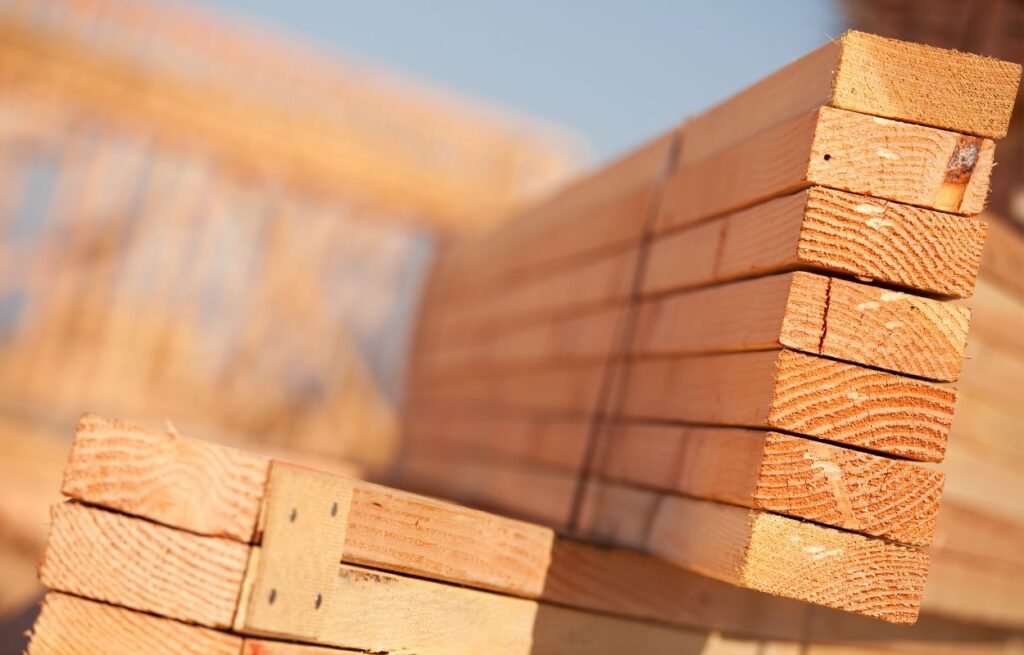
High-quality lumber may be reused structurally or decoratively. Beams, planks, and framing lumber often hold strong value.
Lower-grade wood still avoids landfill disposal. It can be recycled into engineered wood products or biomass fuel.
Separating wood properly maximizes recovery and minimizes waste. Professional teams know how to identify what wood belongs in each category.
METAL MATERIALS GET RECYCLED EFFICIENTLY
Metal components rarely go to waste during professional deconstruction. Steel, aluminum, copper, and other metals get separated early.
Wiring, pipes, fixtures, and structural metal pieces are removed carefully.
These materials go directly to recycling facilities where they get melted down and reused.
Metal recycling saves energy and reduces the need for new raw materials.
This process keeps heavy materials out of landfills and supports circular manufacturing.
CONCRETE AND MASONRY ARE PROCESSED RESPONSIBLY
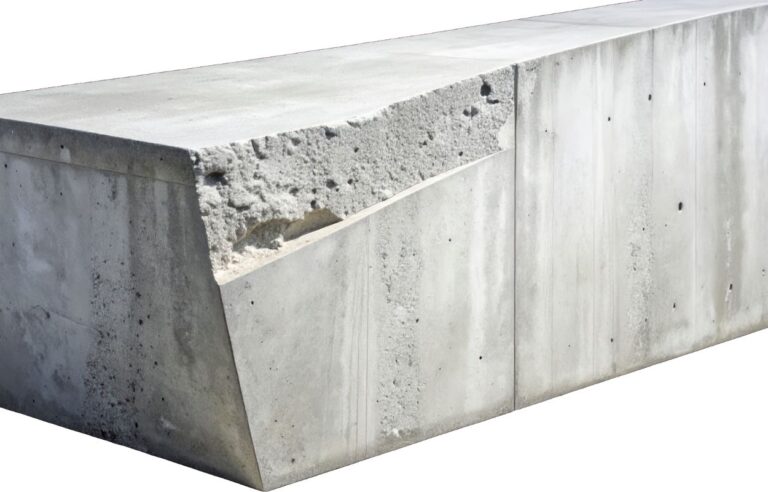
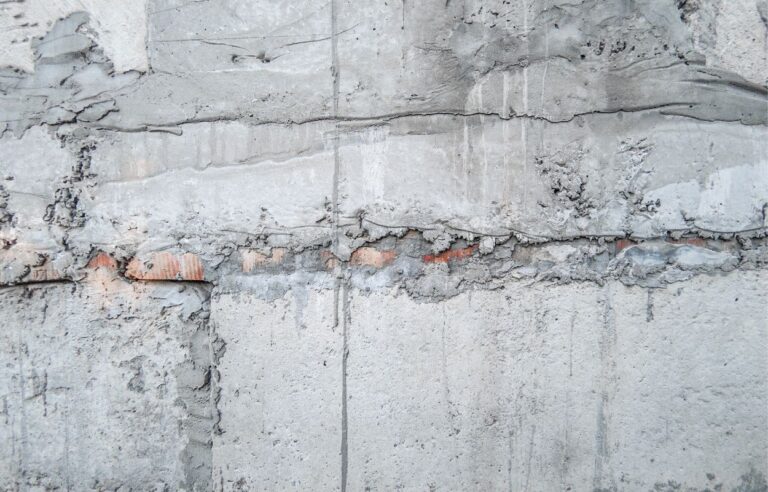
Concrete, brick, and masonry require special handling. Instead of dumping these materials, professional deconstruction teams process them for recycling.
Concrete can be crushed and reused as aggregate for road base or construction fill.
Bricks may get cleaned and reused in landscaping or new builds.
Responsible processing reduces landfill volume and supports sustainable construction practices.
This approach also lowers disposal costs significantly.
FIXTURES AND HARDWARE ARE NOT OVERLOOKED
Small items add up quickly. Light fixtures, sinks, toilets, faucets, and hardware all get removed during deconstruction.
Many of these items remain in excellent condition.
They can be reused in other projects or donated to reuse organizations.
Even when fixtures cannot be reused, components often qualify for recycling.
Nothing gets tossed without evaluation.
HAZARDOUS MATERIALS GET HANDLED SEPARATELY
Older buildings may contain hazardous materials. These require special procedures.
Professional deconstruction teams identify hazardous components early. These materials get removed safely and disposed of according to regulations.
This prevents contamination of reusable materials and protects worker safety.
Proper handling also avoids fines and legal issues.
Separating hazardous materials ensures the rest of the building materials stay clean and reusable.
MATERIALS GET SORTED ON SITE TO REDUCE WASTE
One major difference between deconstruction and demolition is on-site sorting.
Materials get separated as they come out of the building. Wood, metal, concrete, and reusable items all follow different paths.
This prevents cross-contamination that often happens during demolition.
Sorting on site increases recycling rates and improves material recovery.
It also reduces the volume sent to landfills.
TRANSPORTATION IS MORE EFFICIENT AND PURPOSEFUL
During demolition, everything goes to disposal sites. During deconstruction, materials go to specific destinations.
Reusable items go to reuse centers. Metals go to recyclers. Concrete goes to processing facilities.
This targeted transportation reduces unnecessary hauling.
It also ensures materials end up where they provide the most value.
Efficiency plays a key role in making deconstruction cost-effective.
DECONSTRUCTION SUPPORTS LOCAL REUSE ECONOMIES
Materials recovered through deconstruction often stay local.
Reuse centers, builders, and renovation projects benefit from affordable reclaimed materials.
This supports local jobs and reduces demand for new materials.
In cities like Regina, growing interest in sustainability makes this especially valuable.
Recovered materials strengthen the local construction ecosystem.
LESS MATERIAL ENDS UP IN LANDFILLS
One of the biggest benefits of professional deconstruction is landfill diversion.
Traditional demolition sends most materials straight to disposal.
Deconstruction redirects a large percentage toward reuse or recycling.
This reduces landfill pressure and extends landfill lifespan.
Environmental impact drops significantly as a result.
DECONSTRUCTION REDUCES CARBON FOOTPRINT
Reusing materials saves energy. Recycling materials reduces raw material extraction.
Every salvaged beam or recycled metal component lowers emissions.
Professional deconstruction plays a role in reducing construction-related carbon output.
This supports broader environmental goals without sacrificing functionality.
Sustainability becomes practical instead of theoretical.
MATERIAL TRACKING PROVIDES TRANSPARENCY
Professional deconstruction often includes tracking where materials go.
This documentation helps property owners understand their environmental impact.
Some projects require reporting for sustainability certifications or compliance.
Tracking ensures accountability throughout the process.
Clear records also support tax incentives or grants tied to reuse.
DECONSTRUCTION CREATES EDUCATIONAL AND COMMUNITY VALUE
Recovered materials often support training programs, community builds, or affordable housing initiatives.
This adds social value beyond environmental benefits.
Materials gain purpose instead of becoming waste.
Community reuse builds awareness and encourages responsible construction practices.
Deconstruction connects building removal with positive outcomes.
DECONSTRUCTION REGINA PROJECTS BENEFIT FROM LOCAL DEMAND
Interest in reuse continues to grow. Deconstruction Regina projects benefit from increasing demand for reclaimed materials.
Builders, designers, and homeowners seek unique materials with history and character.
Local reuse reduces shipping costs and emissions.
This makes professional deconstruction a strong option in the region.
Material recovery aligns with local sustainability goals.
COST SAVINGS COME FROM MATERIAL RECOVERY
While deconstruction requires more labor, material recovery offsets costs.
Salvaged materials reduce disposal fees.
Some materials generate resale or donation value.
Over time, these savings make deconstruction financially competitive.
Cost efficiency improves as reuse markets expand.
DECONSTRUCTION PROTECTS RESOURCES FOR THE FUTURE
Every reused material reduces demand for new extraction.
Forests, mines, and quarries face less pressure.
Professional deconstruction supports long-term resource conservation.
This benefits future generations and stabilizes material supply.
Responsible removal today prevents scarcity tomorrow.
WHY DECONSTRUCTION REGINA PROPERTY OWNERS ARE PAYING ATTENTION
Property owners want smarter solutions. They want less waste and more value. Deconstruction Regina services offer both.
Material recovery, sustainability, and cost control all matter. Professional deconstruction meets these needs effectively.
FINAL THOUGHTS
Professional deconstruction completely changes what happens to building materials. Instead of becoming waste, materials get evaluated, separated, and redirected.
Reusable items find new homes. Recyclable materials return to manufacturing. Hazardous materials get handled safely.
This process reduces landfill use, supports sustainability, and creates real value.
For property owners considering removal projects, deconstruction Regina professionals provide a responsible and forward-thinking solution.
When materials matter, how you take a building apart matters just as much as how you build it.