When asbestos comes up, many Victoria building owners feel a brief sense of relief if they hear the words “low-risk.” It sounds manageable. Non-urgent. Something that can be dealt with later. In a city filled with older homes and heritage buildings, that label often becomes a reason to postpone action. Unfortunately, this is where many property owners misunderstand what low-risk asbestos actually means.
Low-risk does not mean harmless. It does not mean permanent. And it certainly does not mean safe under all conditions. Asbestos abatement Victoria professionals see the same pattern repeatedly. Materials that were once considered low-risk become high-risk through age, wear, renovation, or simple day-to-day use. By the time owners realize something has changed, the cost and disruption are often much higher than expected.
LOW-RISK DOES NOT MEAN ZERO RISK
The biggest misconception is that low-risk asbestos materials pose no real danger. In reality, low-risk simply refers to the condition and form of the material at a specific moment in time. Asbestos-containing materials are labeled low-risk when they are intact, sealed, and unlikely to release fibers under normal conditions. That status can change quietly and gradually.
Moisture, vibration, temperature changes, and everyday wear all affect building materials over time. A pipe wrap that was once stable can dry out and crack. Old floor tiles can begin to crumble at the edges. Ceiling textures can deteriorate without obvious visual warning. Low-risk is not a permanent designation. It is a snapshot, not a guarantee.
AGE IS WORKING AGAINST MOST VICTORIA BUILDINGS
Victoria’s building stock is aging, and age matters when it comes to asbestos. Materials installed decades ago were never designed to last forever. Adhesives dry out. Sealants fail. Structural movement creates stress fractures. Even well-maintained buildings experience material degradation. Many owners assume that because asbestos has “been fine for years,” it will continue to be fine.
That assumption ignores how time changes materials. Asbestos that remains undisturbed for decades can become friable simply due to aging. Asbestos abatement Victoria contractors regularly encounter materials that were once considered low-risk but are now actively shedding fibers because of age alone.
RENOVATIONS TURN LOW-RISK INTO HIGH-RISK VERY QUICKLY
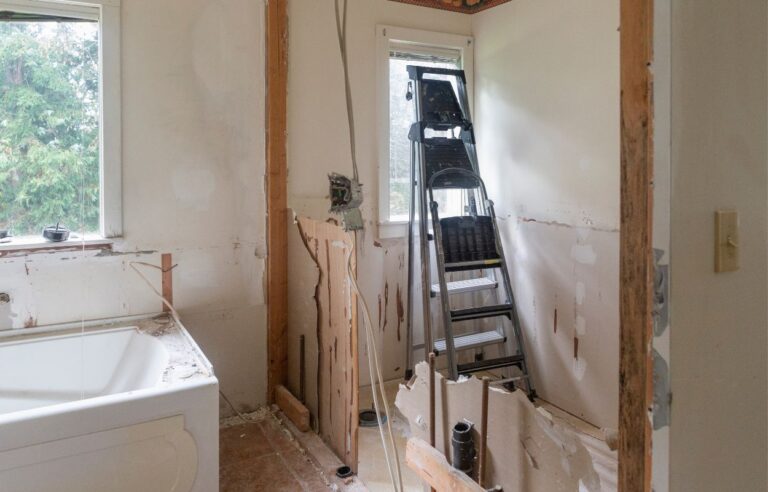
One of the most common mistakes owners make is assuming low-risk asbestos stays low-risk during renovations. This is rarely true. Cutting, drilling, sanding, or demolishing asbestos-containing materials dramatically increases fiber release. Even minor upgrades like electrical work, plumbing changes, or insulation improvements can disturb materials that were previously stable.
Owners often plan renovations first and address asbestos later. This leads to rushed testing, emergency containment, and unexpected delays. What could have been a controlled abatement becomes a reactive problem. Low-risk asbestos only remains low-risk when left completely undisturbed. The moment renovation begins, that status is gone.
MAINTENANCE WORK IS OFTEN OVERLOOKED
It is not just renovations that create risk. Routine maintenance can be just as problematic. Changing light fixtures, accessing ceiling spaces, repairing leaks, or servicing mechanical systems can disturb asbestos-containing materials. Maintenance staff and contractors may unknowingly damage materials simply by doing their jobs.
Building owners sometimes assume asbestos is only a concern during major construction. In reality, everyday maintenance is one of the most common ways fibers are released. Asbestos abatement Victoria professionals often get called after maintenance work has already occurred, when exposure risks could have been prevented with proper planning.
“ENCAPSULATED” DOES NOT MEAN FOREVER
Encapsulation is often used as a management strategy for low-risk asbestos. When done correctly, it can be effective. However, many owners treat encapsulation as a permanent solution rather than a temporary control measure. Encapsulants can fail. Paint peels. Sealants crack. Mechanical damage breaks protective coatings.
Once encapsulation is compromised, the underlying asbestos is exposed again. Without regular inspection and monitoring, encapsulated asbestos can quietly return to a hazardous state. Assuming encapsulation eliminates the need for future action is a mistake that leads to delayed response and higher risk.
LOW-RISK LABELS CAN CREATE COMPLACENCY
Perhaps the most dangerous issue with low-risk asbestos is psychological. The label creates comfort, and comfort leads to inaction. Owners may skip follow-up inspections. They may delay testing before renovations. They may fail to inform tenants or contractors.
Over time, awareness fades even though the material remains. Asbestos does not announce when it becomes dangerous. Without active management, low-risk materials can cross that line unnoticed. Asbestos abatement Victoria projects often begin after complacency has already allowed conditions to deteriorate.
TENANT AND OCCUPANT USE CHANGES CONDITIONS
How a space is used affects asbestos risk. Increased foot traffic, vibration from equipment, changes in humidity, or repurposing spaces all influence material stability. A ceiling that was rarely disturbed in a storage area may become a problem when the space is converted to offices or living areas.
Flooring that was once covered may be exposed through use changes. Low-risk assessments are based on current use. When use changes, risk changes with it. Many owners fail to reassess asbestos conditions after modifying how spaces are occupied.
REGULATORY EXPECTATIONS ARE MISUNDERSTOOD
Some owners believe that if asbestos is classified as low-risk, no action is ever required. Regulations do not work that way. Owners still have a duty to monitor conditions, prevent disturbance, and protect occupants. Failure to reassess asbestos before work begins can result in compliance issues, work stoppages, or liability exposure. Low-risk status does not remove responsibility. It requires active management, not passive acceptance.
COST AVOIDANCE OFTEN BACKFIRES
Delaying abatement feels like saving money, especially when asbestos is labeled low-risk. In practice, delays often increase costs. Emergency abatement during renovations, tenant complaints, or unexpected fiber release incidents cost far more than planned, proactive work. Delays also limit scheduling flexibility and increase disruption. Addressing asbestos strategically, rather than reactively, almost always leads to better financial outcomes.
LOW-RISK TODAY DOES NOT MEAN LOW-RISK TOMORROW
The most important thing Victoria building owners get wrong is assuming low-risk asbestos stays that way indefinitely. Risk changes with time, use, environment, and activity. Materials age. Buildings shift. Plans evolve. Without reassessment, yesterday’s low-risk condition can become today’s problem. Asbestos abatement Victoria specialists emphasize monitoring, planning, and realistic risk assessment rather than relying on outdated labels.
FINAL THOUGHTS
Low-risk asbestos is one of the most misunderstood concepts in building management. It does not mean safe forever, and it does not mean no action is required. It means the material is stable for now, under current conditions, and only if left undisturbed. Victoria building owners who rely too heavily on the low-risk label often find themselves facing higher costs, tighter timelines, and greater risk later.
Understanding how and why low-risk conditions change is key to protecting occupants, budgets, and long-term property value. Asbestos abatement Victoria property owners approach proactively is not about overreacting. It is about recognizing that low-risk asbestos still demands attention, planning, and respect.