When people talk about deconstruction, it is easy to assume that newer buildings would be easier or safer to take apart. They look cleaner, more uniform, and more modern. In reality, older buildings are often far better candidates for deconstruction, especially when the goal is material recovery, safety, and long-term value. Age, construction methods, and material quality all play a major role in how effective deconstruction can be.
In communities like Port Alberni, where older housing stock and long-standing commercial buildings are common, this distinction matters. Deconstruction Port Alberni projects frequently focus on older structures because they offer more opportunity, less complication, and better outcomes than many newer builds. Understanding why helps property owners make smarter decisions before assuming demolition is the only option.
OLDER BUILDINGS WERE BUILT WITH DECONSTRUCTION-FRIENDLY METHODS
One of the biggest reasons older buildings work so well for deconstruction is how they were originally built. Many older homes and commercial structures were constructed using solid wood framing, dimensional lumber, and mechanical fasteners like nails and bolts. These methods make it easier to separate materials cleanly.
Newer buildings often rely heavily on adhesives, engineered products, composites, and layered assemblies. While efficient during construction, these materials are much harder to separate without damage. Once glued systems are pulled apart, materials are often destroyed in the process.
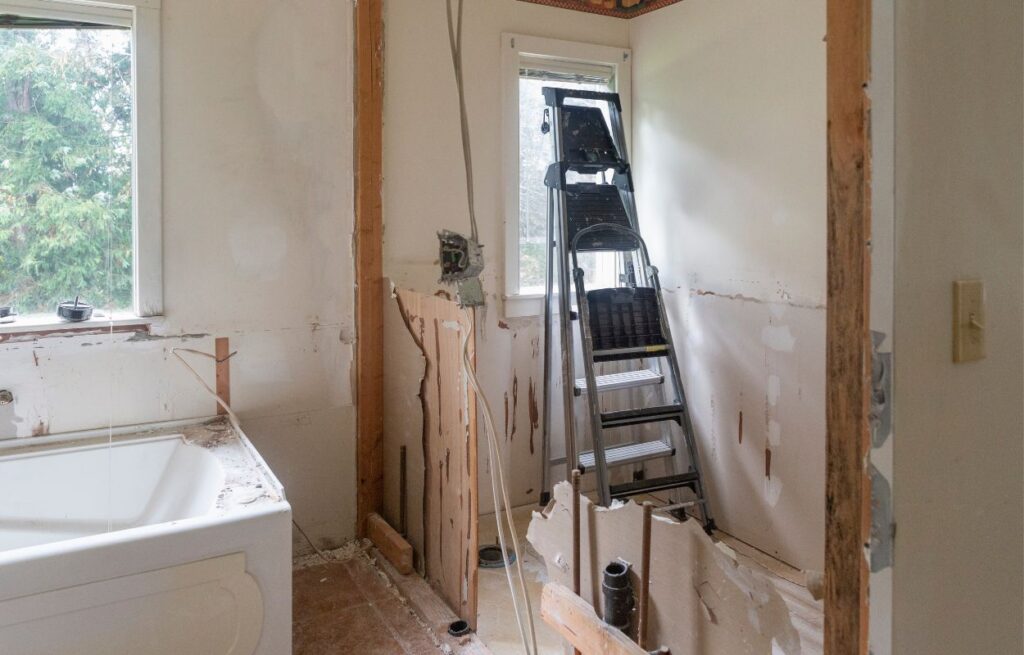
Older construction allows crews to reverse the build instead of breaking it apart. Walls can be opened carefully. Beams can be removed intact. Flooring can be lifted instead of shattered. This makes deconstruction more practical and more successful.
MATERIAL QUALITY IS OFTEN HIGHER IN OLDER STRUCTURES
Many older buildings were built using materials that are difficult or expensive to source today. Old-growth lumber, dense hardwoods, thick planks, and solid structural components were common in past decades. These materials hold value well beyond the life of the building.
Newer structures often use lighter, engineered materials designed to meet code efficiently rather than last for generations. While they perform well in use, they rarely retain value once removed.
Deconstruction thrives on material recovery. Older buildings provide higher-quality materials that can be reused, resold, or repurposed. That material value can offset deconstruction costs in ways newer buildings often cannot.
SIMPLER SYSTEMS MAKE PLANNING EASIER
Older buildings typically have simpler mechanical and structural systems. Electrical runs are more straightforward. Plumbing systems are easier to trace. Structural layouts are often repetitive and predictable.
Newer buildings may include complex HVAC systems, integrated smart technology, layered insulation systems, and advanced materials that complicate removal. These systems require more specialized handling and often limit what can be salvaged.
From a planning standpoint, simpler systems reduce uncertainty. Crews can assess risks more accurately and sequence work more efficiently. That predictability makes older buildings easier to plan for and safer to deconstruct.
OLDER BUILDINGS OFFER CLEARER MATERIAL SEPARATION
Material separation is one of the biggest challenges in deconstruction. The goal is to keep materials clean and uncontaminated so they remain usable.
Older buildings tend to have clearer separation between materials. Wood is wood. Masonry is masonry. Metals are distinct. There is less blending of materials within single assemblies.
Modern construction often combines materials in ways that are difficult to separate. Insulated panels, composite boards, and layered wall systems mix materials permanently. Once separated, those materials often lose reuse potential.
Clear separation gives older buildings a significant advantage when it comes to efficient, low-waste deconstruction.
HAZARD MANAGEMENT IS MORE PREDICTABLE IN OLDER STRUCTURES
While older buildings are more likely to contain hazards like asbestos or lead, those risks are often easier to anticipate and manage. Materials from certain eras are well documented. Testing protocols are established. Abatement processes are clearly defined.
Newer buildings can still contain hazards, but they are sometimes less expected. Fireproofing materials, adhesives, and specialty coatings can introduce surprises that complicate removal.
Knowing what to expect allows for better planning. Deconstruction Port Alberni projects often involve older buildings precisely because hazards can be identified early and addressed properly without derailing the entire process.
SITE CONTEXT FAVORS DECONSTRUCTION FOR OLDER BUILDINGS
Older buildings are frequently located in established neighborhoods, near other structures, utilities, and active properties. Demolition in these environments increases risk to surrounding areas.
Deconstruction is slower and more controlled, which makes it better suited for tight sites. Reduced vibration, lower dust levels, and quieter operations protect neighboring buildings and infrastructure.
Newer buildings are often located in areas designed for redevelopment, where demolition impacts are easier to manage. Older buildings rarely have that luxury, making deconstruction the safer and more responsible option.
SALVAGE POTENTIAL IS SIGNIFICANTLY HIGHER
One of the core benefits of deconstruction is salvage. Older buildings often contain doors, windows, fixtures, trim, flooring, and hardware that can be reused.
These elements are frequently custom-sized, well-crafted, and durable. Salvaging them preserves value and reduces landfill waste.
Newer buildings may include standardized components, but many are designed for single-use installation. Once removed, they offer limited reuse potential.
Higher salvage value strengthens the economic case for deconstruction, especially in smaller markets where material reuse is increasingly valued.
STRUCTURAL DESIGNS SUPPORT SEQUENTIAL REMOVAL
Deconstruction relies on taking a building apart in reverse order. Roof systems are removed first, followed by upper floors, walls, and foundations.
Older buildings are often well suited to this approach. Their structural designs allow for controlled removal without compromising stability.
Newer buildings may rely on integrated load paths or engineered assemblies that are less forgiving during disassembly. Removing one element can affect multiple systems at once.
Sequential removal is safer and more efficient when the structure was originally built with straightforward load distribution, which is more common in older construction.
COMMUNITY AND HISTORICAL VALUE PLAYS A ROLE
In many communities, older buildings carry historical or cultural significance, even if they are no longer viable for use. Deconstruction allows elements of those buildings to be preserved rather than erased.
Materials can be reused locally. Architectural details can be incorporated into new projects. This continuity matters in towns like Port Alberni, where community identity is closely tied to long-standing structures.
Newer buildings rarely offer the same connection or reuse opportunity. Their materials and designs are less distinctive and less tied to local history.
WASTE REDUCTION IS MORE IMPACTFUL WITH OLDER BUILDINGS
Older buildings tend to generate large volumes of waste when demolished. Deconstruction dramatically reduces that waste by diverting materials from landfills.
Because older buildings contain more recoverable material, the environmental benefit of deconstruction is amplified. Each salvaged beam, board, or fixture reduces the demand for new resources.
Newer buildings often generate mixed waste that is difficult to recycle. Deconstruction can still reduce waste, but the impact is often smaller.
For communities focused on sustainability, older buildings offer the greatest return on effort.
COST COMPARISONS FAVOR OLDER STRUCTURES
While deconstruction can cost more upfront than demolition, older buildings often narrow that gap through salvage value and reduced disposal fees.
Newer buildings may cost more to deconstruct due to complex systems and lower salvage returns. In some cases, demolition becomes the only economically viable option.
Older buildings strike a better balance. Material recovery offsets labor costs, and simpler systems reduce unexpected delays.
This is why deconstruction Port Alberni property owners consider often involves older structures rather than recent builds.
REGULATORY AND PLANNING FACTORS SUPPORT DECONSTRUCTION
Local regulations increasingly favor waste reduction, material reuse, and controlled site practices. Older buildings often fall under stricter oversight due to location, age, or community impact.
Deconstruction aligns well with these requirements. It demonstrates due diligence, environmental responsibility, and community consideration.
Newer buildings may face fewer restrictions, but that does not automatically make demolition the better choice. Older buildings benefit more directly from deconstruction’s advantages.
FINAL THOUGHTS
Older buildings are often better candidates for deconstruction because they were built differently, use higher-quality materials, and offer greater salvage potential. Their simpler systems, predictable hazards, and structural designs support controlled removal rather than destructive teardown.
In Port Alberni, where older structures play a major role in the built environment, deconstruction Port Alberni projects continue to focus on these buildings for good reason. They allow property owners to reduce waste, recover value, protect surrounding areas, and make thoughtful transitions to what comes next.
Deconstruction is not just about age. It is about opportunity. Older buildings simply offer more of it when the process is planned and executed properly.