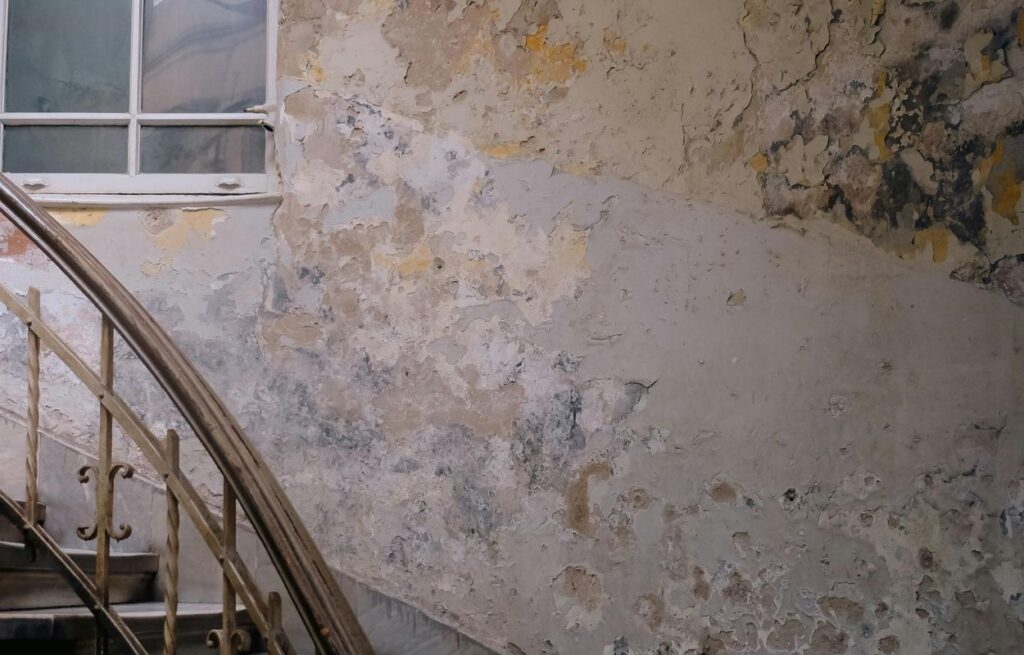
Lead paint remains a serious safety concern in many older homes and buildings. While awareness has increased, many property owners still underestimate the danger it poses. Some attempt to handle lead paint removal themselves, believing it is a simple scraping or sanding job. In reality, DIY lead paint removal is one of the most hazardous mistakes a homeowner or contractor can make.
Lead exposure does not need dramatic accidents to cause harm. It often happens quietly through dust, air, and contaminated surfaces. Once lead paint is disturbed incorrectly, it spreads far beyond the original area. The health risks, cleanup costs, and long-term consequences can be severe.
In places like Victoria, where many homes were built before lead paint bans were in place, understanding why DIY lead paint removal is dangerous is critical. Professional lead remediation exists for a reason. It protects health, property, and long-term safety.
LEAD PAINT BECOMES DANGEROUS WHEN IT IS DISTURBED
Lead paint is most hazardous when it is disturbed. Scraping, sanding, drilling, or cutting painted surfaces releases lead dust into the air. This dust is extremely fine. It settles on floors, furniture, clothing, and inside ventilation systems. Once airborne, it can be inhaled or ingested easily.
DIY removal methods almost always disturb lead paint aggressively. Without proper containment and filtration, dust spreads throughout the home. Even small projects can contaminate large areas.
LEAD DUST IS INVISIBLE AND EASY TO INHALE
One of the most dangerous aspects of lead exposure is that you cannot see it happening. Lead dust particles are microscopic. You cannot smell or feel them. A room may look clean while still being heavily contaminated.
DIY cleaners often assume that sweeping or vacuuming removes the problem. Standard vacuums actually make it worse by blowing lead dust back into the air. Inhalation is one of the primary exposure pathways. Once inhaled, lead enters the bloodstream quickly. Invisible exposure makes DIY work especially risky.
CHILDREN FACE MUCH HIGHER HEALTH RISKS
Children are far more vulnerable to lead exposure than adults. Their developing brains and nervous systems absorb lead more easily. Even small amounts can cause permanent damage.
Lead exposure in children is linked to learning difficulties, behavioral problems, reduced IQ, and developmental delays. DIY lead paint removal puts children at extreme risk, especially if work is done in occupied homes. Dust settles on toys, floors, and surfaces children touch frequently. No amount of DIY caution can eliminate this risk without professional controls.
ADULTS ARE ALSO AT SERIOUS RISK
Adults often believe lead exposure is only a concern for children. This is not true. Lead exposure in adults can cause high blood pressure, kidney damage, reproductive issues, nerve damage, and cognitive problems.
Pregnant individuals face additional risks. Lead can cross the placenta and harm fetal development. DIY removal exposes adults repeatedly during the project and afterward through residual dust. Long-term exposure compounds health effects over time.
DIY METHODS SPREAD CONTAMINATION THROUGHOUT THE HOME
Improper lead paint removal does not stay contained to one room. Dust travels on shoes, clothing, tools, and air currents. It spreads into hallways, bedrooms, kitchens, and HVAC systems.
Once lead dust enters ductwork, it circulates every time the system runs. Cleaning an entire home after contamination is far more difficult than preventing spread in the first place. Professional lead remediation focuses heavily on containment to prevent this exact scenario. DIY work lacks these protections.
SANDING AND DRY SCRAPING ARE EXTREMELY DANGEROUS
Many DIY guides suggest sanding or scraping lead paint. These methods are among the most hazardous. Dry sanding creates clouds of lead dust. Scraping sends chips and particles into the air.
Without negative air pressure and HEPA filtration, dust settles everywhere. Even power tools with basic dust collection systems are not safe for lead paint. Professional remediation avoids dry methods entirely or uses specialized controls. DIY sanding dramatically increases exposure risk.
CHEMICAL STRIPPERS ARE NOT SAFE WITHOUT PROPER CONTROLS
Some homeowners turn to chemical paint strippers, assuming they are safer. While these products may reduce dust, they still pose serious risks.
Strippers can release lead into sludge and residue that contaminates surfaces. Improper handling leads to skin contact, inhalation, and environmental contamination. Chemical waste disposal also requires special handling. Professional lead remediation includes safe containment and disposal of all residues. DIY use often ignores these requirements.
LEAD CONTAMINATION IS DIFFICULT AND EXPENSIVE TO CLEAN UP
Once lead dust spreads, cleanup becomes complex. Surfaces must be cleaned using HEPA vacuums and specialized wet-cleaning techniques. Regular household cleaning products are not effective.
Improper cleanup leaves behind residual contamination that continues to expose occupants. In many cases, professional cleanup is required after failed DIY attempts. This often costs far more than hiring professionals from the start.
DIY REMOVAL CAN VIOLATE REGULATIONS
Lead paint handling is regulated in many jurisdictions. Improper removal can violate health and safety laws, especially in rental or commercial properties.
Failure to follow proper procedures can result in fines, stop-work orders, or legal liability. Property owners may be held responsible for exposing occupants or workers. Professional services understand regulatory requirements and compliance obligations. DIY approaches often ignore or misunderstand these rules.
CONTAMINATED MATERIALS REQUIRE SPECIAL DISPOSAL
Lead paint waste cannot be thrown away like regular garbage. Paint chips, dust, plastic sheeting, and protective equipment all become hazardous waste.
Improper disposal spreads contamination beyond the home. Professional lead remediation includes approved waste handling and disposal procedures. DIY projects often overlook this step, creating environmental and legal risks. Safe disposal is a critical part of lead hazard control.
DIY PROTECTIVE GEAR IS OFTEN INADEQUATE
Many DIYers rely on basic masks, gloves, or goggles. These offer little protection against lead dust.
Proper protection requires respirators with correct filters, disposable coveralls, and controlled entry and exit procedures. Even with protective gear, improper removal methods still spread contamination. Professional crews are trained in both equipment use and safe work practices. Gear alone does not make DIY work safe.
LEAD EXPOSURE DOES NOT CAUSE IMMEDIATE SYMPTOMS
One reason DIY removal feels deceptively safe is the lack of immediate symptoms. Lead poisoning often develops slowly.
Health effects may not appear for months or years. By the time symptoms are noticed, exposure has already occurred. This delayed response leads many people to underestimate the danger. Prevention is the only effective protection.
DIY REMOVAL CAN DAMAGE PROPERTY VALUE
Lead contamination affects property value. Homes with unresolved lead hazards are harder to sell or rent.
Failed DIY removal can increase contamination and create documentation issues. Professional remediation provides clearance testing and records that support property transactions. Proper handling protects both safety and investment.
RENOVATION PROJECTS BECOME MORE DANGEROUS
DIY lead paint removal often happens during renovations. Without proper remediation, renovations disturb lead repeatedly.
Each stage increases contamination risk. Professional remediation prepares spaces safely before renovation begins. Skipping this step exposes workers and occupants throughout the project. Safe renovation starts with proper lead control.
PROFESSIONAL LEAD REMEDIATION USES STRICT CONTROLS
Professional services follow detailed procedures designed to protect health. These include containment zones, negative air pressure, HEPA filtration, controlled removal methods, and clearance testing.
Each step reduces exposure risk significantly. DIY approaches lack these layers of protection. Lead remediation Victoria professionals rely on these controls to ensure safety.
VICTORIA HOMES FACE HIGHER LEAD RISK
Victoria has many older homes built before lead paint bans. Heritage properties and historic renovations increase disturbance risk.
Coastal weather and aging materials contribute to paint deterioration. Lead remediation Victoria property owners trust is especially important in this environment. Local conditions make DIY removal even more dangerous.
LIABILITY INCREASES WITH DIY APPROACHES
Property owners take on full responsibility when handling lead paint themselves. Exposure incidents can lead to legal claims, especially in rental properties.
Professional remediation transfers responsibility to trained, insured specialists. Documentation protects owners and occupants. Risk management is a major benefit of professional services.
PROFESSIONAL REMEDIATION PROTECTS INDOOR AIR QUALITY
Lead dust affects indoor air quality long after work ends. Professional remediation removes contamination sources completely.
Air testing confirms safe conditions before reoccupation. DIY work rarely includes testing. Clean air cannot be assumed without verification.
COST SAVINGS FROM DIY ARE OFTEN AN ILLUSION
DIY removal may seem cheaper upfront. Hidden costs quickly appear through cleanup, repairs, and professional intervention after contamination.
Health impacts also carry long-term costs. Professional remediation is a controlled, predictable investment. Preventing damage costs less than fixing it.
WHY LEAD REMEDIATION VICTORIA HOMEOWNERS SHOULD AVOID DIY REMOVAL
Lead remediation Victoria homeowners depend on exists to manage real risks. DIY removal exposes families, neighbors, and workers to serious harm.
Professional services protect health, property, and compliance. Local experience ensures proper handling of older buildings. Trusting professionals is the safer choice.
FINAL THOUGHTS
DIY lead paint removal is extremely hazardous because it spreads invisible contamination that is difficult to control and expensive to fix. Lead dust threatens children, adults, and long-term indoor safety.
Without proper containment, filtration, protective equipment, and disposal procedures, DIY work creates far greater risk than most people realize. Professional lead remediation removes hazards safely, protects air quality, and provides verified results.
In cities like Victoria, where lead paint remains common in older buildings, professional lead remediation is not optional. It is essential. The greatest danger of lead paint is not knowing it is there. The second greatest danger is trying to handle it alone.