When concrete surfaces become uneven, cracked, or worn, property owners often face a major decision. Should the concrete be repaired and leveled, or should it be completely removed and replaced? At first glance, replacement may seem like the permanent solution. In reality, that option is often far more expensive, disruptive, and unnecessary than most people realize.
Concrete grinding offers an alternative that many homeowners, business owners, and property managers overlook. It corrects surface problems without tearing everything out. In many situations, grinding delivers the same functional result at a fraction of the cost.
In cities like Calgary, where concrete is exposed to freeze-thaw cycles, moisture, and heavy use, understanding the difference between grinding and replacement helps property owners make smarter long-term decisions. Choosing the right option depends on the condition of the concrete, the intended use, and overall cost considerations.
UNDERSTANDING THE CORE DIFFERENCE
Concrete grinding and concrete replacement solve different levels of problems. Concrete grinding focuses on the surface. It removes high spots, smooths uneven areas, and corrects trip hazards. Grinding does not remove the entire slab. It reshapes what is already there.
Concrete replacement removes the existing slab entirely. The old concrete is demolished, hauled away, and replaced with new material. This process resets everything from the base up. Grinding improves functionality. Replacement rebuilds from scratch.
Knowing which approach matches the problem is the first step toward making the smarter choice.
WHEN CONCRETE GRINDING MAKES MORE SENSE
Concrete grinding is ideal when the slab is structurally sound but has surface issues. Common situations where grinding works well include uneven joints, raised edges, surface ridges, minor cracking, coating failures, and trip hazards.
In many cases, slabs settle unevenly over time. The concrete itself remains strong, but height differences develop. Grinding corrects these differences efficiently. If the foundation is stable and cracks are cosmetic rather than structural, grinding usually solves the issue completely.
Grinding restores usability without unnecessary demolition.
WHEN CONCRETE REPLACEMENT IS NECESSARY
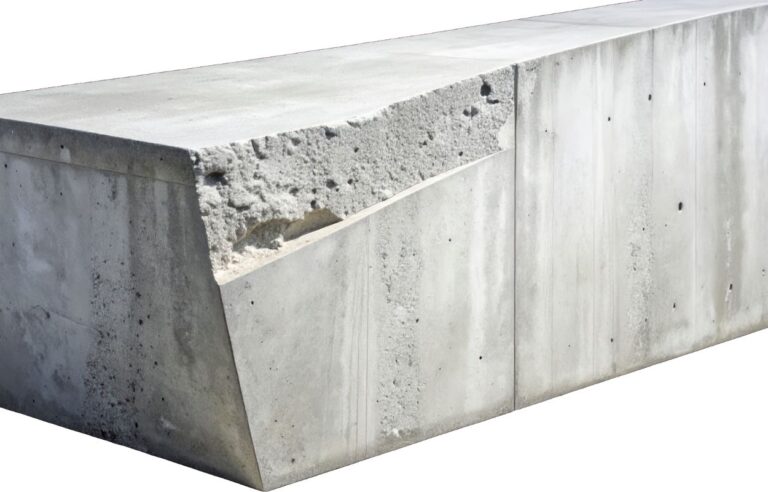
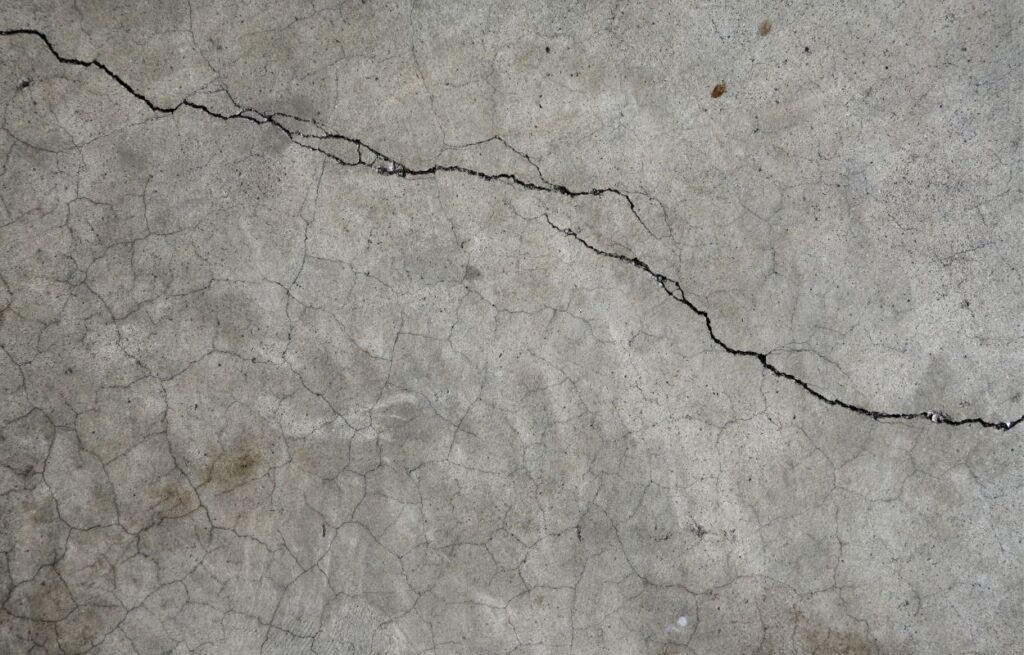
Concrete replacement becomes necessary when the slab has failed structurally. Severe cracking that continues to widen, sinking caused by base failure, extensive spalling, or concrete that crumbles under pressure often indicates deeper issues.
If the subgrade is unstable or drainage problems have compromised the slab, grinding cannot fix the root cause. Replacement allows the base to be rebuilt and reinforced properly. In these cases, replacement is not optional. It is the only safe solution.
COST DIFFERENCES ARE SIGNIFICANT
One of the biggest differences between grinding and replacement is cost. Concrete grinding typically costs far less than replacement. There is no demolition, no hauling of debris, and no need for new concrete materials.
Replacement includes demolition, disposal fees, formwork, new concrete, finishing, curing time, and labor. In many cases, replacement costs several times more than grinding. For property owners managing budgets, grinding often delivers the needed result without unnecessary expense.
TIME AND DISRUPTION MATTER
Concrete replacement is disruptive. Demolition creates noise, dust, and debris. Equipment access is required. Work areas may be unusable for extended periods.
New concrete also needs time to cure. This can take days or weeks depending on conditions. Concrete grinding is much faster. Grinding can often be completed in a single day. Spaces return to use quickly.
For commercial properties, reduced downtime directly impacts revenue. Grinding minimizes disruption while still improving safety and performance.
SAFETY IMPROVEMENTS CAN BE ACHIEVED WITHOUT REPLACEMENT
Many people assume trip hazards require full replacement. That is rarely true. Raised edges, uneven joints, and surface ridges can often be removed through grinding.
Grinding eliminates height differences and smooths transitions. This improves safety immediately. Replacement may improve safety too, but at a much higher cost. When safety is the primary concern, grinding is often the smarter first option.
ENVIRONMENTAL IMPACT IS LOWER WITH GRINDING
Concrete replacement creates a large amount of waste. Old concrete must be broken up and transported. New materials require energy to produce and deliver.
Concrete grinding preserves the existing slab. Less waste goes to landfills. Fewer raw materials are used. For property owners focused on sustainability, grinding reduces environmental impact significantly.
Keeping functional materials in place is always more resource-efficient than starting over.
GRINDING EXTENDS THE LIFE OF EXISTING CONCRETE
Grinding does more than solve immediate problems. By removing surface stress points and correcting unevenness, grinding slows further deterioration.
This extends the usable life of the slab. Replacement resets the lifespan but comes with high upfront cost. In many cases, grinding adds years or decades of additional service life at a fraction of the cost.
Extending lifespan is often the most cost-effective strategy.
AESTHETICS CAN BE ADDRESSED WITHOUT REPLACEMENT
Surface appearance matters, especially in commercial or high-visibility spaces. Grinding removes stains, coatings, and surface imperfections.
It creates a cleaner, more uniform appearance. Grinding also prepares concrete for coatings, sealers, or polishing. Replacement is not required to improve aesthetics in most cases.
Surface improvement does not always require structural overhaul.
COATINGS AND FLOORING REQUIRE FLAT SURFACES
Many replacement decisions happen because new flooring fails. Uneven concrete causes flooring to lift, crack, or wear prematurely.
Grinding prepares surfaces properly for new finishes. It creates the flatness and texture required for long-term performance. Replacing concrete just to install flooring is often unnecessary.
Proper grinding achieves the same result with less cost and delay.
WEATHER PLAYS A ROLE IN THE DECISION
In Calgary, freeze-thaw cycles affect concrete surfaces. Small surface imperfections often worsen due to temperature changes.
Grinding corrects these issues early. Replacing concrete exposes new slabs to the same climate challenges. Preventive grinding reduces future weather-related damage.
Addressing issues early helps avoid replacement later.
GRINDING ALLOWS TARGETED CORRECTIONS
Replacement treats the entire slab as a problem. Grinding allows targeted fixes.
Only the damaged or uneven areas are addressed. This precision saves time and money. Targeted correction is more efficient than total removal.
Smarter solutions focus on what actually needs fixing.
BUSINESS OPERATIONS BENEFIT FROM GRINDING
For commercial spaces, downtime is expensive. Concrete replacement can shut down entrances, walkways, or entire facilities.
Grinding allows work to be scheduled strategically. Dust control systems minimize disruption. Spaces can often remain partially or fully operational.
For businesses, this flexibility is a major advantage.
LIABILITY RISKS ARE REDUCED QUICKLY WITH GRINDING
Trip hazards create liability exposure. Grinding removes hazards quickly.
Replacement takes longer to plan and execute. Reducing risk sooner protects property owners financially. When liability is a concern, grinding delivers faster results.
REPLACEMENT CAN CREATE NEW PROBLEMS
Replacement is not always a clean reset. New concrete can crack, settle, or cure improperly.
Poor weather during pouring affects results. Grinding avoids these risks by working with existing, proven slabs. Sometimes the old concrete has already proven its durability.
Preserving it can be smarter than starting over.
LONG-TERM COST COMPARISON FAVORS GRINDING
Over time, repeated replacement becomes costly. Grinding followed by proper maintenance keeps costs predictable.
Replacing concrete repeatedly strains budgets. Long-term planning favors extending existing assets. Grinding supports that strategy.
WHEN ENGINEERS AND INSPECTORS RECOMMEND GRINDING
In many inspections, grinding is recommended before replacement. Inspectors often identify surface-level issues that do not affect structural integrity.
Addressing these issues early avoids escalation. Replacement should be the last resort, not the first reaction. Professional evaluation matters.
CALGARY PROPERTIES FACE UNIQUE CONDITIONS
Concrete in Calgary faces heavy seasonal stress. Snow removal, moisture, salt, and temperature swings all contribute to wear.
Concrete grinding Calgary property owners rely on addresses these challenges without unnecessary replacement. Local conditions make surface correction especially valuable. Experience with regional factors improves outcomes.
HOW TO MAKE THE FINAL DECISION
The smarter choice depends on the condition of the slab. If the concrete is structurally sound, grinding is usually the better option.
If the slab has failed at the base or is severely damaged, replacement is necessary. Professional assessment helps determine which applies. Guessing leads to overspending or unsafe results.
WHY CONCRETE GRINDING CALGARY PROPERTY OWNERS CHOOSE FIRST
Concrete grinding Calgary professionals provide offers a cost-effective, efficient solution for many common concrete issues. It improves safety, appearance, and performance without the disruption of replacement.
Property owners benefit from lower costs and faster results. Grinding solves most surface problems effectively.
FINAL THOUGHTS
Concrete grinding and concrete replacement serve different purposes. Replacement is sometimes necessary, but it is often overused.
For uneven surfaces, trip hazards, and surface wear, grinding is usually the smarter choice. It costs less, finishes faster, reduces disruption, and extends the life of existing concrete.
In Calgary, where concrete faces harsh conditions, proactive grinding prevents small problems from becoming major expenses. Before committing to replacement, evaluate whether grinding can deliver the result you need. In many cases, it is the smarter, safer, and more economical decision.