Cities are changing how they think about building removal. For decades, demolition was the default option. It was fast, familiar, and focused on clearing land quickly. Today, that approach is being questioned. Municipalities are facing rising landfill pressure, stricter environmental goals, and growing public demand for sustainability. As a result, many cities now actively encourage professional deconstruction instead of traditional demolition.
This shift is not about trends or appearances. It is about long-term planning, waste reduction, and smarter use of resources. Deconstruction aligns with how modern cities want to grow, rebuild, and manage materials responsibly. In places like Edmonton, this change is becoming more visible as urban development continues.
Understanding why cities are making this shift helps property owners, developers, and contractors see where the industry is heading and why professional deconstruction is gaining momentum.
CITIES ARE RUNNING OUT OF LANDFILL SPACE
Landfill capacity is one of the biggest pressures cities face. Traditional demolition sends massive amounts of material straight to disposal sites. Wood, metal, concrete, and fixtures often end up buried instead of reused.
As urban populations grow, landfill space shrinks. Expanding landfills costs money, requires land, and often faces public opposition.
Professional deconstruction dramatically reduces landfill waste. Materials are separated, salvaged, reused, or recycled. Only a small portion ends up as true waste.
Cities encourage deconstruction because it slows landfill growth and extends the lifespan of existing facilities.
WASTE REDUCTION TARGETS ARE GETTING STRICTER
Many municipalities have set aggressive waste diversion goals. These targets aim to reduce how much material goes to landfills each year.
Demolition makes these goals hard to reach. Deconstruction supports them directly.
By encouraging deconstruction, cities improve diversion rates without creating new regulations for every material type. The process itself naturally supports recycling and reuse.
Meeting environmental targets becomes more achievable when deconstruction replaces demolition.
DECONSTRUCTION SUPPORTS SUSTAINABILITY POLICIES
Sustainability plans now guide many city decisions. These plans focus on reducing emissions, conserving resources, and promoting circular economies.
Demolition conflicts with these goals. It destroys usable materials and increases demand for new resource extraction.
Deconstruction supports sustainability by keeping materials in use longer. Reclaimed lumber, metal, and fixtures reduce the need for new manufacturing.
Cities see deconstruction as a practical way to turn sustainability goals into action.
REUSING MATERIALS REDUCES CARBON EMISSIONS
Construction materials carry a heavy carbon footprint. Mining, manufacturing, and transportation all generate emissions.
When materials get reused instead of replaced, those emissions drop significantly.
Professional deconstruction allows cities to lower construction-related carbon output without slowing development.
Reclaimed materials offset demand for new products. This reduces energy use and emissions at the source.
Cities encouraging deconstruction see it as a climate action tool, not just a waste solution.
DECONSTRUCTION CREATES LOCAL ECONOMIC BENEFITS
Deconstruction requires skilled labor. Workers carefully dismantle structures instead of operating heavy demolition equipment.
This creates more local jobs and supports specialized trades.
Recovered materials often stay in the local economy. Reuse centers, builders, and renovation projects benefit from affordable reclaimed supplies.
Cities recognize that deconstruction strengthens local economic loops instead of sending value to landfills.
Job creation and material reuse go hand in hand.
DEMOLITION WASTES MATERIAL VALUE
Older buildings often contain high-quality materials. Solid lumber, old-growth wood, and durable fixtures get destroyed during demolition.
Deconstruction preserves that value. Materials with resale or reuse potential remain intact.
Cities see this as a missed opportunity when demolition is used unnecessarily.
Encouraging deconstruction helps capture value that would otherwise be lost forever.
DECONSTRUCTION REDUCES CONSTRUCTION COST VOLATILITY
New material prices fluctuate due to supply chain issues, fuel costs, and global demand.
Reclaimed materials provide a local, stable alternative.
Cities promoting deconstruction help buffer the construction industry against price spikes.
This supports affordable housing projects, community builds, and smaller developments that struggle with rising material costs.
Material reuse adds resilience to local construction markets.
DECONSTRUCTION IMPROVES COMMUNITY PERCEPTION
Public awareness around waste and sustainability has increased. Residents notice how cities handle development.
Demolition sites often create noise, dust, and heavy disruption.
Deconstruction tends to be quieter and more controlled. It produces less airborne debris and visual impact.
Cities encourage deconstruction because it aligns better with community expectations and neighborhood relations.
Public support matters in urban planning.
DECONSTRUCTION SUPPORTS HISTORIC AND OLDER BUILDINGS
Older buildings often hold architectural or cultural value, even when they cannot be fully preserved.
Deconstruction allows elements to be saved rather than destroyed.
Doors, beams, flooring, and fixtures can be reused in new projects that honor local history.
Cities value this approach because it preserves character while allowing redevelopment.
Demolition erases history. Deconstruction carries it forward.
SAFETY AND ENVIRONMENTAL CONTROL ARE BETTER
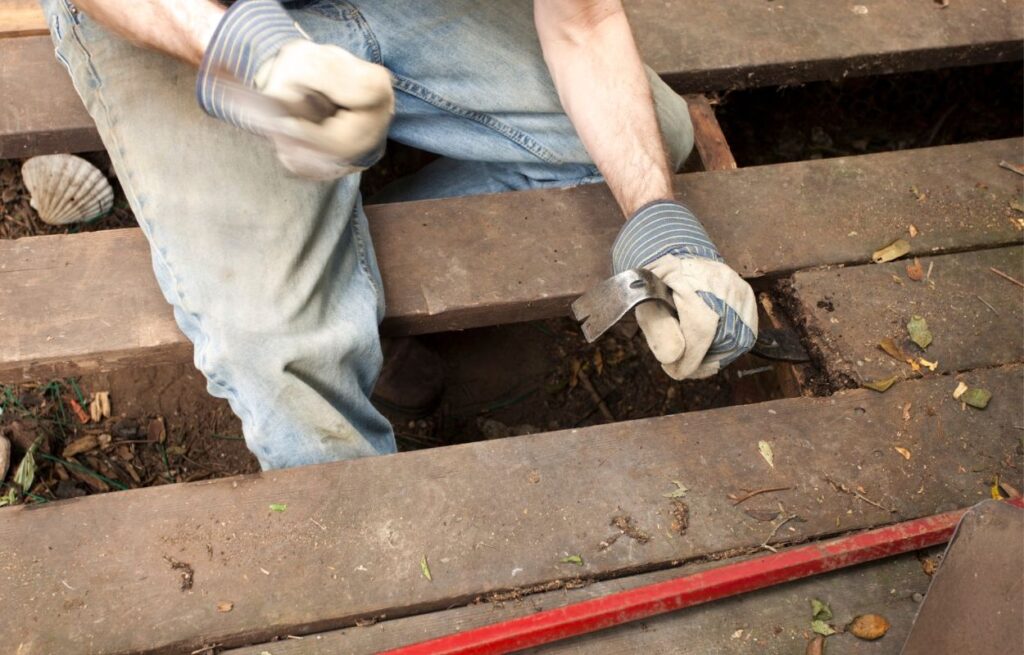
Professional deconstruction emphasizes controlled removal. Materials are handled carefully and sorted on site.
This reduces contamination and improves job site safety.
Hazardous materials can be identified and isolated early, rather than mixed into debris piles.
Cities encourage deconstruction because it reduces environmental risk and improves compliance with safety standards.
Cleaner sites mean fewer long-term issues.
DECONSTRUCTION ALIGNS WITH GREEN BUILDING STANDARDS
Many green building certifications reward material reuse and waste diversion.
Cities promoting sustainable development see deconstruction as a pathway to meeting these standards.
Projects using deconstruction often qualify for credits related to reuse and recycling.
This makes it easier for developers to meet environmental requirements.
Deconstruction fits seamlessly into modern green building frameworks.
POLICY INCENTIVES ARE MAKING DECONSTRUCTION MORE ATTRACTIVE
Some cities now offer incentives for deconstruction. These include fee reductions, permit benefits, or tax advantages.
These policies reflect recognition of deconstruction’s broader value.
By encouraging deconstruction financially, cities accelerate adoption without strict mandates.
The market responds quickly when incentives align with sustainability goals.
EDMONTON IS SEEING INCREASED INTEREST IN DECONSTRUCTION
Urban development continues to grow in Edmonton. Older structures make way for new housing and infrastructure.
As awareness increases, deconstruction Edmonton projects are becoming more common.
Local demand for reclaimed materials supports this shift.
Cities like Edmonton benefit from reduced waste, local job creation, and stronger reuse networks.
The conditions support long-term adoption.
DECONSTRUCTION SUPPORTS RESPONSIBLE URBAN GROWTH
Urban growth does not have to mean waste. Cities want development that respects resources.
Deconstruction allows growth without unnecessary destruction.
It reflects a mindset focused on stewardship rather than disposal.
Cities encouraging deconstruction signal a commitment to smarter urban management.
PROPERTY OWNERS BENEFIT FROM CITY SUPPORT
When cities encourage deconstruction, property owners benefit.
Clear guidelines, incentives, and community support make planning easier.
Deconstruction becomes a viable option rather than a niche alternative.
As adoption grows, costs become more competitive.
City support reduces barriers and builds confidence.
DECONSTRUCTION HELPS MEET FUTURE REGULATIONS
Environmental regulations continue to evolve. Waste disposal rules are becoming stricter.
Cities promoting deconstruction prepare their communities for future requirements.
Early adoption reduces adjustment costs later.
Proactive strategies always outperform reactive ones.
WHY DECONSTRUCTION EDMONTON PROJECTS ALIGN WITH CITY GOALS
Deconstruction Edmonton initiatives align with sustainability, economic, and environmental priorities.
Material recovery, waste reduction, and local reuse all support city objectives.
This alignment explains why encouragement continues to grow.
Cities choose strategies that deliver multiple benefits at once.
FINAL THOUGHTS
Cities are encouraging professional deconstruction over demolition for clear reasons. Landfill pressure, environmental goals, material value, and community expectations all play a role.
Deconstruction reduces waste, lowers emissions, creates jobs, and supports sustainable development.
It turns building removal into a resource recovery process instead of a disposal problem.
For property owners and developers, understanding this shift matters. Deconstruction is no longer an alternative option. It is becoming the preferred approach.
As urban growth continues, cities will keep supporting methods that protect resources and create long-term value. Professional deconstruction fits that future perfectly.