Asbestos abatement is often talked about as if it is a single, standardized process. In reality, the approach can look very different depending on where the asbestos is found. Residential homes, commercial buildings, and industrial sites each present unique challenges that affect how abatement is planned, contained, and executed. Understanding these differences helps property owners know what to expect and why timelines, costs, and procedures can vary so widely.
In Port Alberni, asbestos is commonly found across all three environments due to the age and history of local construction. Asbestos abatement Port Alberni property owners require is never one-size-fits-all. The site type shapes everything from containment size to air control strategy and even how waste is removed from the property.
RESIDENTIAL ASBESTOS ABATEMENT IS ABOUT PROTECTING OCCUPIED SPACES
Residential asbestos abatement often takes place in homes where people live or plan to return shortly after work is completed. Because of this, the primary concern is preventing fibers from spreading into living areas and ensuring the home can be safely reoccupied.
Containment zones in residential settings are usually smaller and more targeted. Contractors may isolate a single room, attic space, or section of flooring rather than an entire structure. Air control is still critical, but it must be balanced with the realities of limited space and nearby occupied areas.
Another key difference is communication. Homeowners are often unfamiliar with asbestos procedures and need clear explanations of what will happen, how long it will take, and when it is safe to return. Residential projects tend to move carefully and deliberately, with extra attention paid to cleanliness, noise, and disruption.
COMMERCIAL ABATEMENT PRIORITIZES CONTINUITY AND RISK MANAGEMENT
Commercial asbestos abatement takes place in buildings that may house offices, retail spaces, schools, or multi-unit facilities. These environments introduce a different layer of complexity because the goal is often to complete work without shutting down the entire building.
Containment zones in commercial settings are typically larger than residential ones and may involve complex layouts, shared ventilation systems, and multiple access points. Managing airflow becomes more technical because asbestos fibers must be prevented from entering common areas or adjacent businesses.
Scheduling is another major difference. Commercial abatement is often planned around business hours, tenant schedules, or phased renovations. The focus is not just removal, but minimizing liability and ensuring that occupants, customers, and staff are never exposed. Asbestos abatement Port Alberni businesses rely on requires careful coordination and strict adherence to documented procedures.
INDUSTRIAL ABATEMENT IS BUILT AROUND SCALE AND HAZARD CONTROL
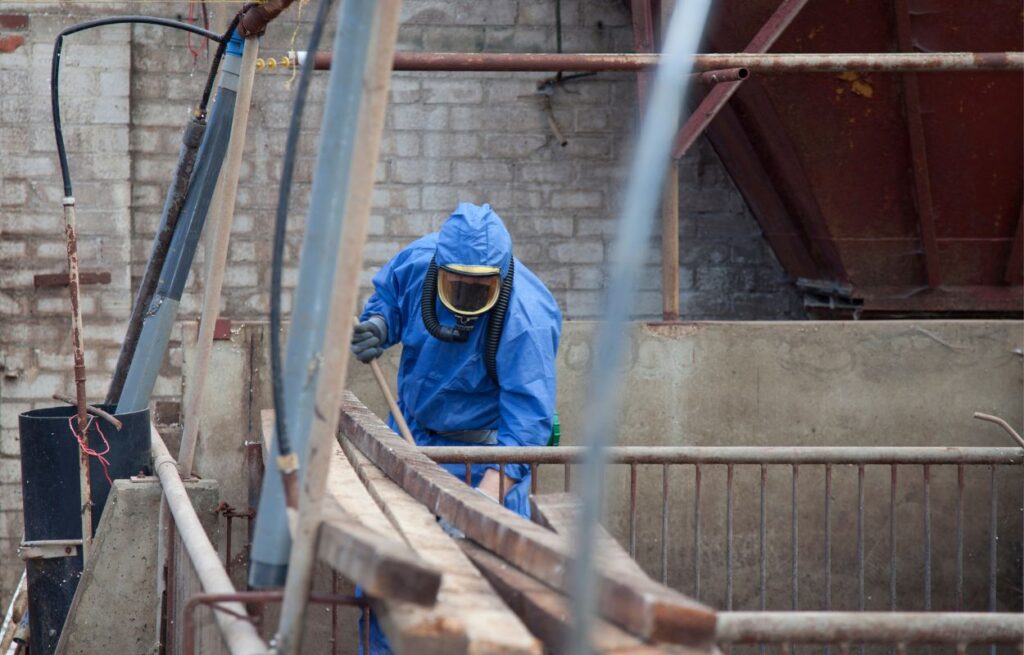
Industrial asbestos abatement is the most complex and demanding environment. These sites often include large facilities, heavy machinery, high ceilings, extensive piping, and materials that were designed with asbestos for heat resistance and durability.
Containment zones in industrial settings can span massive areas and may require custom-built enclosures, extensive negative air systems, and multiple decontamination chambers. The volume of asbestos-containing material is often much higher, and removal can take place alongside other hazards such as confined spaces, noise, or chemical exposure.
Worker safety protocols are especially strict in industrial abatement. Entry and exit procedures, air monitoring, and waste handling follow highly regimented systems. Industrial projects also tend to involve more regulatory oversight and documentation due to their scale and potential impact.
AIR CONTROL STRATEGIES CHANGE BY SITE TYPE
While air control is central to all asbestos abatement, the way it is implemented differs significantly between residential, commercial, and industrial sites. In homes, air management focuses on isolating small areas and protecting adjacent living spaces. In commercial buildings, it must account for shared air systems and high foot traffic. In industrial settings, it often involves managing massive air volumes over extended periods.
Negative air pressure is used in all cases, but the equipment size, placement, and monitoring intensity increase as site complexity grows. These differences directly affect setup time, duration, and overall project scope.
ACCESS AND MOVEMENT PLAY A BIGGER ROLE THAN MOST PEOPLE EXPECT
Residential abatement usually involves limited access points and controlled movement through private spaces. Commercial projects must account for public corridors, emergency exits, and shared entrances. Industrial sites may involve complex logistics, including machinery access, elevated work areas, and long travel distances within containment zones.
Each environment requires a different strategy to prevent fiber migration through movement alone. This is why trained asbestos professionals plan not just removal, but how people, tools, and materials move throughout the site.
WASTE HANDLING VARIES WITH VOLUME AND LOCATION
The amount of asbestos waste generated can differ dramatically depending on the site. Residential projects often produce smaller quantities that can be removed quickly. Commercial projects may generate steady volumes over time. Industrial abatement can involve large-scale waste management requiring staging areas, specialized transport, and detailed tracking.
Regardless of site type, asbestos waste must follow strict disposal protocols. However, the logistics become more complex as volume and site size increase, which is another reason industrial abatement tends to take longer and cost more.
WHY COSTS AND TIMELINES DIFFER SO MUCH
Property owners are often surprised by how much asbestos abatement costs can vary. The difference is rarely about removal alone. It is about containment complexity, air control demands, access challenges, waste volume, and safety protocols.
Residential projects may be shorter and less expensive, but they still require precision. Commercial projects add coordination and liability considerations. Industrial projects involve scale, risk, and extended timelines. Asbestos abatement Port Alberni contractors assess all of these factors before providing accurate scopes and estimates.
FINAL THOUGHTS
Asbestos abatement changes significantly depending on whether the site is residential, commercial, or industrial. While the goal is always the same, safe removal without exposure, the methods, scale, and challenges differ in meaningful ways.
Understanding these differences helps property owners set realistic expectations and appreciate why professional planning is essential. Asbestos abatement Port Alberni properties require is shaped by environment, not just material. When the approach matches the site, asbestos can be removed safely, responsibly, and without unnecessary risk.