Asbestos remains one of the most misunderstood building hazards. Despite decades of regulations and public health warnings, many property owners still hold outdated or incorrect beliefs about asbestos and how it should be handled. These myths often lead to delayed action, unsafe decisions, or costly mistakes.
Asbestos abatement is not just a regulatory requirement. It is a critical safety process designed to protect indoor air quality, occupants, and workers. In communities like Nanaimo, where many homes and commercial buildings were constructed during peak asbestos-use years, understanding the truth matters.
Clearing up common myths helps property owners make informed decisions and avoid unnecessary risk. Below are some of the most widespread misconceptions about asbestos abatement and the facts behind them.
MYTH: ASBESTOS IS ONLY DANGEROUS IF YOU CAN SEE IT
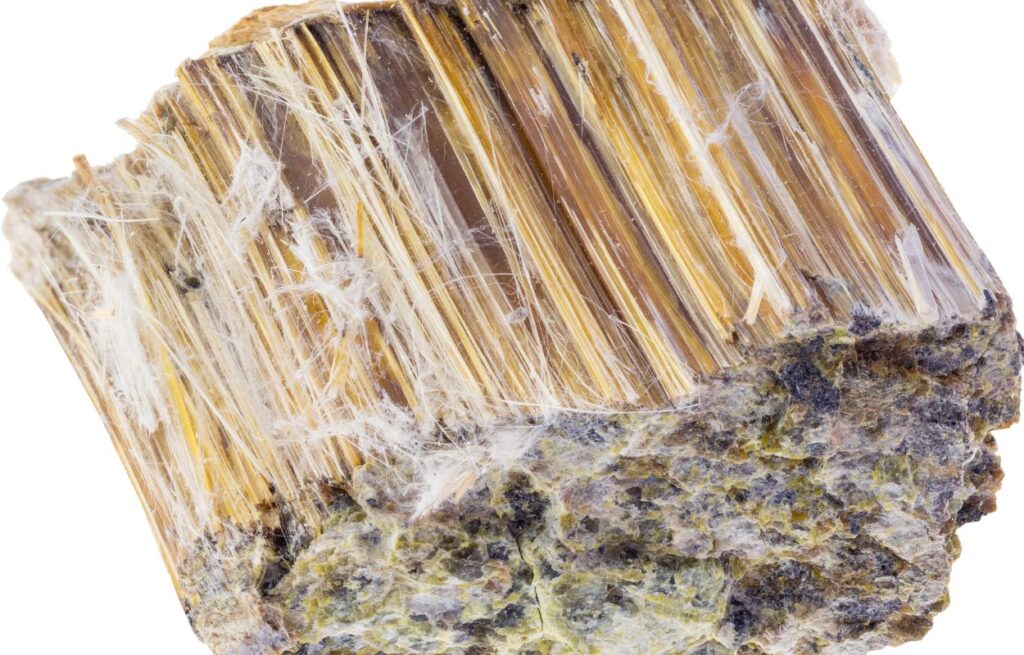
One of the most common misconceptions is that asbestos only poses a risk when visible damage is present. In reality, asbestos fibers are microscopic. They cannot be seen, smelled, or felt. Materials may look intact while still releasing fibers due to age, vibration, or minor disturbance.
Airborne fibers cause health risks, not visible debris. Professional asbestos abatement focuses on fiber control, not surface appearance. Relying on what you can see is dangerous.
MYTH: ASBESTOS IS ONLY FOUND IN VERY OLD BUILDINGS
Many people assume asbestos only exists in buildings from the early 1900s. Asbestos was widely used well into the late twentieth century. Homes and buildings constructed or renovated decades after World War II may still contain asbestos.
Common locations include insulation, flooring, ceiling materials, drywall compounds, roofing, and mechanical systems. Age alone does not determine risk. Testing does.
MYTH: IF THE MATERIAL IS NOT DAMAGED, IT CAN ALWAYS BE LEFT ALONE
While some asbestos-containing materials can remain safely in place under specific conditions, this is not always the case. Materials deteriorate over time. Moisture, vibration, and routine maintenance can cause fiber release even without obvious damage.
Planned renovations almost always disturb asbestos materials. Asbestos abatement evaluates both current condition and future risk. Leaving asbestos in place without assessment often creates hidden hazards.
MYTH: DIY ASBESTOS REMOVAL SAVES MONEY
DIY asbestos removal is one of the most dangerous misconceptions. Without containment, proper filtration, and disposal procedures, fibers spread rapidly. What starts as a small issue often becomes a full-building contamination problem.
Cleanup costs after improper removal far exceed professional abatement costs. Health risks increase dramatically. Professional abatement prevents contamination instead of creating it.
MYTH: REGULAR CLEANING REMOVES ASBESTOS FIBERS
Vacuuming, sweeping, or wiping surfaces does not remove asbestos fibers safely. Standard vacuums and cleaning methods can actually spread fibers further into the air.
Only specialized HEPA equipment and controlled procedures are effective. Asbestos abatement removes the source of contamination, not just surface dust. Cleaning alone cannot address asbestos hazards.
MYTH: ASBESTOS ABATEMENT IS JUST ABOUT REMOVAL
Abatement is often mistaken as simple removal. In reality, asbestos abatement includes assessment, containment, air control, safe removal or encapsulation, decontamination, disposal, and clearance testing.
Each step plays a role in protecting indoor air quality and preventing contamination. Skipping any part compromises safety. Abatement is a comprehensive process, not a single action.
MYTH: ABATEMENT ALWAYS MEANS FULL BUILDING EVACUATION
Some property owners believe asbestos abatement requires entire buildings to shut down. In many cases, abatement can be done in isolated areas while other parts of the building remain occupied.
Containment and negative air pressure systems keep fibers confined. The scope depends on material type, location, and project size. Professional planning minimizes disruption.
MYTH: ASBESTOS ABATEMENT TAKES TOO LONG TO BE PRACTICAL
Time concerns often delay action. While abatement does take planning and careful execution, it is far faster than dealing with contamination spread or regulatory violations later.
Unexpected asbestos discoveries during renovation cause longer delays than planned abatement. Proactive abatement keeps projects on schedule. Delays usually come from avoidance, not the process itself.
MYTH: ALL ASBESTOS ABATEMENT COMPANIES DO THE SAME THING
Not all abatement work is equal. Experience, training, equipment, and compliance standards vary widely.
Improper abatement creates contamination instead of preventing it. Choosing qualified professionals with local knowledge matters. Asbestos abatement Nanaimo property owners rely on must meet strict safety and regulatory requirements.
MYTH: ASBESTOS IS ONLY A PROBLEM DURING DEMOLITION
Asbestos exposure often occurs during minor renovations, maintenance, or repairs. Drilling, sanding, cutting, or replacing fixtures can release fibers.
Even small projects can create significant contamination. Asbestos abatement applies to more than demolition scenarios. Any disturbance poses risk.
MYTH: ASBESTOS EXPOSURE CAUSES IMMEDIATE SYMPTOMS
Asbestos-related illnesses develop over time. Exposure may not cause immediate symptoms.
Health effects often appear decades later. This delay leads some people to underestimate risk. The absence of short-term symptoms does not mean safety. Prevention is the only reliable protection.
MYTH: ONCE ABATEMENT IS DONE, TESTING IS NOT NECESSARY
Testing is essential. Clearance air testing confirms that fiber levels meet safety standards.
Without testing, there is no proof that contamination has been controlled. Professional abatement always includes verification. Documentation protects occupants and property owners. Trust should be backed by data.
MYTH: ASBESTOS ABATEMENT IS ONLY ABOUT COMPLIANCE
Compliance matters, but safety matters more. Abatement protects health, indoor air quality, and long-term building usability.
Regulations exist because the risks are real. Treating abatement as a checkbox misses its true purpose. Health protection is the core goal.
MYTH: ASBESTOS CAN BE SAFELY SEALED BY ANY CONTRACTOR
Encapsulation requires specific materials and techniques. Improper sealing fails over time.
Only trained professionals can determine whether encapsulation is appropriate. Incorrect methods increase risk. Abatement decisions must be based on assessment, not convenience.
MYTH: ASBESTOS ABATEMENT ALWAYS LOWERS PROPERTY VALUE
In reality, unresolved asbestos lowers value. Buyers and tenants avoid properties with known hazards.
Proper abatement improves safety and marketability. Documentation of completed abatement builds confidence. Addressing asbestos protects long-term property value.
MYTH: ASBESTOS IS A PROBLEM OF THE PAST
Asbestos remains present in many buildings today. Ongoing renovations and redevelopment continue to uncover it.
Ignoring asbestos because it seems outdated leads to serious risk. Awareness and proper handling remain necessary. The problem has not disappeared.
WHY ASBESTOS ABATEMENT NANAIMO PROPERTY OWNERS SHOULD UNDERSTAND THE FACTS
Nanaimo has a large inventory of older residential and commercial buildings. Many contain asbestos in common materials.
Misconceptions delay action and increase exposure risk. Asbestos abatement Nanaimo professionals provide exists to address these realities safely. Understanding the facts supports safer decisions.
FINAL THOUGHTS
Myths about asbestos abatement create unnecessary risk. They lead to unsafe handling, delayed action, and costly consequences.
Asbestos is invisible, persistent, and dangerous when disturbed. Only professional abatement controls the risk properly. Accurate information empowers property owners to protect health, comply with regulations, and maintain safe indoor environments.
In Nanaimo and similar communities, asbestos abatement remains a critical part of responsible property management. The biggest danger is not asbestos itself. It is misunderstanding how to deal with it.