Indoor air quality has a direct impact on health, comfort, and long-term safety. Many property owners focus on visible issues like dust or mold but overlook one of the most dangerous airborne contaminants of all: asbestos. When asbestos-containing materials are disturbed, microscopic fibers can enter the air and remain there for long periods. Breathing in these fibers poses serious health risks.
Asbestos abatement plays a critical role in protecting indoor air quality. It is not just about removing old materials. It is about preventing invisible fibers from circulating through living and working spaces. In cities like Calgary, where many older homes and commercial buildings still contain asbestos, proper abatement is essential for safe indoor environments. Understanding how asbestos affects air quality and how professional abatement addresses those risks helps explain why this process is so important.
ASBESTOS FIBERS ARE A SERIOUS AIR QUALITY THREAT
Asbestos becomes dangerous when it turns airborne. Materials containing asbestos are often safe when intact. Problems start when those materials deteriorate, get damaged, or are disturbed during renovations or repairs. Once released, asbestos fibers are extremely small. They cannot be seen or smelled. They stay suspended in the air and can travel through ventilation systems.
Unlike regular dust, asbestos fibers do not break down easily. They can remain in indoor air for long periods and settle into carpets, furniture, and ductwork. Poor indoor air quality caused by asbestos exposure puts occupants at risk every time they breathe.
DISTURBANCE IS THE MAIN SOURCE OF AIRBORNE ASBESTOS
Many buildings contain asbestos in insulation, flooring, ceiling tiles, drywall compounds, and pipe wraps. These materials may remain undisturbed for years. Renovation, demolition, drilling, sanding, or even minor repairs can release fibers into the air.
DIY work is especially risky. Without containment and proper techniques, fibers spread quickly throughout a building. Asbestos abatement prevents uncontrolled disturbance. It ensures materials are handled in a way that protects indoor air.
ASBESTOS FIBERS TRAVEL THROUGH HVAC SYSTEMS
Once airborne, asbestos fibers do not stay in one room. Heating, ventilation, and air conditioning systems can carry fibers throughout an entire building. Air movement distributes contamination far beyond the original source.
This makes indoor air quality issues much harder to control without professional intervention. Asbestos abatement includes sealing off work areas and isolating ventilation systems to prevent fiber spread. Protecting HVAC systems is a critical step in maintaining clean indoor air.
ABATEMENT STARTS WITH IDENTIFYING CONTAMINATED MATERIALS
Proper air protection begins with identification. Asbestos abatement professionals assess which materials contain asbestos and where they are located. Testing confirms the presence of asbestos before work begins.
This prevents accidental release caused by guessing or improper handling. Knowing exactly what materials pose a risk allows for targeted removal or containment. Accurate identification is the foundation of indoor air protection.
CONTAINMENT PREVENTS FIBERS FROM ENTERING THE AIR
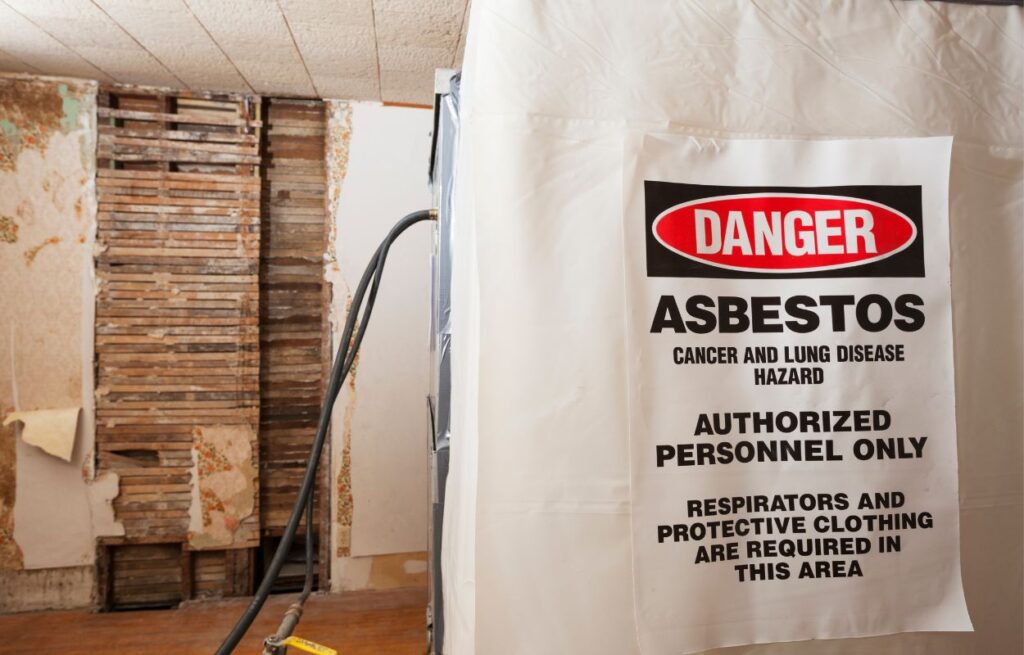
One of the most important parts of asbestos abatement is containment. Professionals create sealed work zones using plastic barriers and negative air pressure systems. These controls keep fibers from escaping into occupied spaces.
Negative air pressure ensures air flows into the containment area instead of out. This prevents contamination of surrounding rooms. Containment protects indoor air quality during the entire abatement process.
NEGATIVE AIR MACHINES FILTER CONTAMINANTS
Negative air machines play a major role in asbestos abatement. These machines continuously filter the air inside containment zones. They use high-efficiency filters designed to capture microscopic fibers.
As air passes through the system, asbestos particles get trapped instead of circulating. This constant filtration improves air quality inside the work area and prevents spread beyond it. Clean air management is essential for effective abatement.
PROPER REMOVAL TECHNIQUES MINIMIZE FIBER RELEASE
Asbestos abatement does not involve ripping materials out aggressively. Removal techniques are designed to limit fiber release. Materials are often kept wet to reduce airborne particles. Specialized tools reduce breakage.
Careful handling prevents fibers from becoming airborne. DIY or untrained removal increases air contamination. Professional techniques significantly reduce that risk. Controlled removal protects both workers and occupants.
DECONTAMINATION PREVENTS CROSS-CONTAMINATION
During abatement, workers follow strict decontamination procedures. Protective clothing and equipment stay inside containment zones. Workers pass through decontamination chambers before leaving the area.
This prevents asbestos fibers from being tracked into clean spaces. Cross-contamination is one of the biggest indoor air quality risks. Abatement protocols address it directly.
AIR MONITORING CONFIRMS CLEAN CONDITIONS
Air quality cannot be judged by appearance alone. Asbestos fibers are invisible. Professional abatement includes air monitoring before, during, and after removal.
Samples get analyzed to confirm fiber levels are safe. Clearance testing ensures indoor air meets regulatory standards before reoccupation. Air monitoring provides measurable proof that indoor air quality has been restored.
ABATEMENT REMOVES SOURCES OF CONTINUOUS CONTAMINATION
Damaged or deteriorating asbestos materials release fibers gradually over time. Even without renovation, aging materials can affect air quality.
Asbestos abatement removes or stabilizes these ongoing sources. Once the source is gone or properly contained, fiber release stops. This improves indoor air quality permanently, not temporarily.
PROPER DISPOSAL PROTECTS INDOOR AND OUTDOOR AIR
Disposal matters just as much as removal. Improper disposal can release fibers back into the environment. Abatement professionals seal asbestos waste in approved containers.
Materials are transported to licensed disposal facilities. This prevents fibers from re-entering buildings or affecting surrounding areas. Safe disposal completes the air protection process.
ABATEMENT PROTECTS OCCUPANTS LONG TERM
Indoor air quality affects health over time, not just immediately. Asbestos exposure increases the risk of serious diseases years after exposure.
Removing asbestos eliminates a long-term airborne hazard. This protects current occupants and future residents or workers. Healthy air supports safe living and working environments.
CHILDREN AND VULNERABLE OCCUPANTS BENEFIT MOST
Children, seniors, and individuals with respiratory conditions are more vulnerable to airborne contaminants. Asbestos fibers pose heightened risks to developing lungs and compromised immune systems.
Asbestos abatement reduces these risks by removing the contamination source. Protecting indoor air quality protects vulnerable populations most. Safety improvements extend beyond compliance.
COMMERCIAL BUILDINGS REQUIRE STRICT AIR CONTROL
Offices, schools, and public buildings face higher air quality standards. Large numbers of occupants increase exposure risk.
Asbestos abatement ensures compliance with regulations and protects public health. Clean air supports productivity and reduces liability. Commercial spaces benefit greatly from proper abatement.
CALGARY BUILDINGS FACE UNIQUE RISKS
Many Calgary properties were built during periods when asbestos was widely used. Cold weather and aging infrastructure accelerate material deterioration.
Renovation activity increases the chance of disturbing asbestos-containing materials. Asbestos abatement Calgary property owners rely on addresses these local risks effectively. Local experience matters when managing air quality challenges.
ABATEMENT PREVENTS HIDDEN AIR QUALITY PROBLEMS
Asbestos contamination is not always obvious. Fibers can linger in wall cavities, ceilings, and ductwork.
Professional abatement identifies and addresses hidden risks. This prevents future air quality issues from emerging unexpectedly. Preventive action protects long-term building safety.
REGULAR MAINTENANCE ALONE IS NOT ENOUGH
Cleaning and maintenance cannot remove asbestos fibers safely. Vacuuming or dusting may spread fibers instead of removing them.
Only abatement eliminates the source. Indoor air quality improves only when asbestos is properly addressed. Maintenance supports cleanliness, not contamination control.
ASBESTOS ABATEMENT SUPPORTS RENOVATION SAFETY
Renovations often disturb asbestos-containing materials. Abatement before renovation prevents fiber release during construction.
This protects workers and occupants alike. Safe renovation begins with safe air. Abatement is a critical first step.
WHY ASBESTOS ABATEMENT CALGARY PROPERTY OWNERS TRUST MATTERS
Property owners want safe, compliant, and healthy buildings. Asbestos abatement Calgary professionals focus on air protection, not shortcuts.
Their methods remove risk instead of hiding it. Trust builds when air quality improves and stays safe. Professional expertise makes the difference.
FINAL THOUGHTS
Indoor air quality cannot be protected without addressing asbestos properly. Microscopic fibers pose serious risks when they become airborne. Asbestos abatement prevents fiber release, controls contamination, and restores safe air conditions.
Through containment, filtration, careful removal, and verification testing, it eliminates one of the most dangerous indoor air pollutants. For properties in Calgary, where asbestos remains common in older buildings, professional abatement is essential. It protects health, supports safe renovations, and ensures long-term air quality.
Clean air starts with removing invisible threats. Asbestos abatement does exactly that.